CARBON-FREE ENERGY
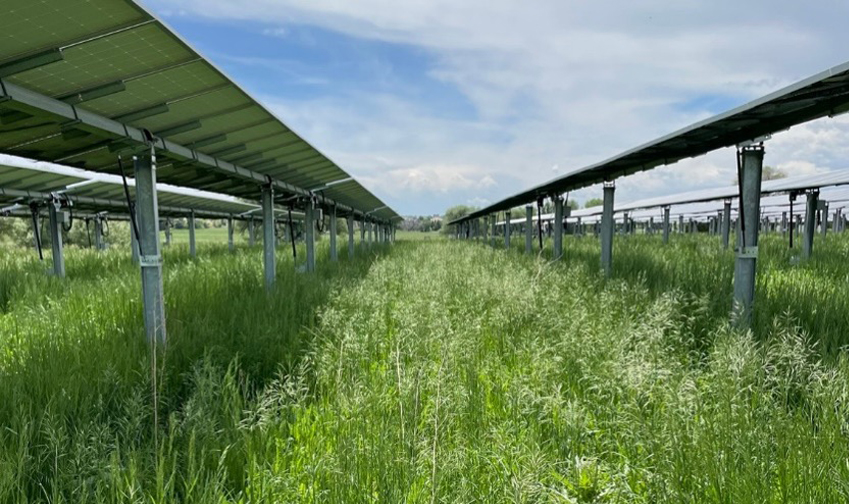
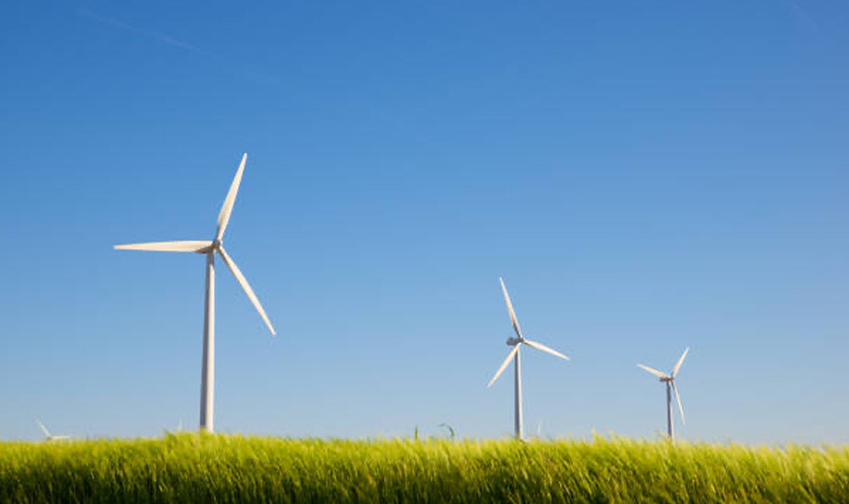
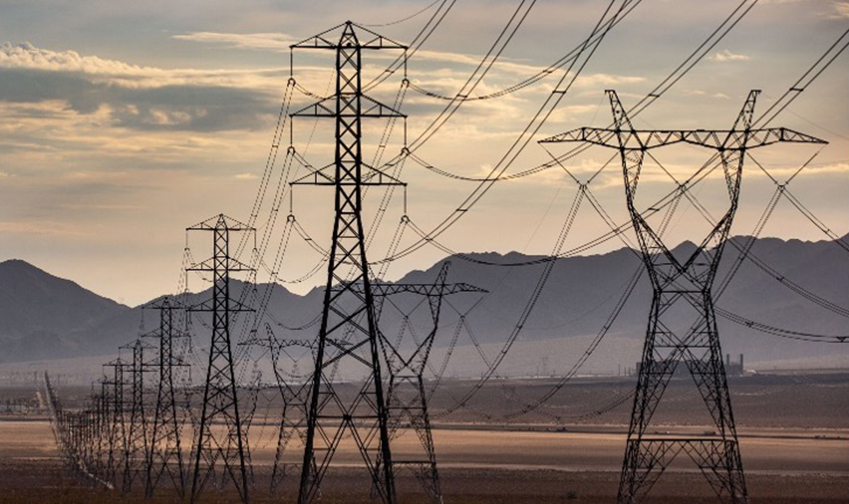
The rapid expansion of carbon-free energy in the United States represents one of the most significant land‑use transitions of the 21st century. As the country works toward ambitious clean‑energy goals, large areas of land will be transformed for wind farms, utility scale photovoltaic (PV) solar arrays, electrical transmission corridors, battery storage facilities, and related infrastructure. A study evaluating the impact of the U.S. becoming carbon net-zero by 2050 published by Princeton University estimated photovoltaic solar energy arrays will cover 3.5 to 15.1 million acres and wind farms will cover 59.3 – 247.1 million acres of the landscape depending on which of the multiple scenarios were used to acquire carbon neutrality. Additionally, they predict the approximately 4.8 million acres of current electrical transmission lines would sharply increase.
While carbon-free energy is essential for reducing greenhouse gas emissions and mitigating climate change, its land footprint presents both challenges and opportunities for wildlife conservation. For the transition to successfully meet the needs of both humans and wildlife, wildlife ecologists and energy developers must work together early and continuously in the planning process. This collaboration will ensure that renewable energy landscapes are designed not only to produce power but also to maintain healthy ecosystems and provide habitat for wildlife.
Development of carbon-free energy that sustains wildlife requires us to consider the (i) spatial distribution of these energy projects, (ii) the types of ground cover the projects are replacing, and (iii) the type of ground cover the projects are creating.
Climatic variables will dictate general location, while landowner willingness, current ground cover, terrain, and available infrastructure will determine specific locations. PV solar development (hot link to level 4, Utility Scale Photovoltaic Solar Fields) is expected to concentrate in the Southwest, Midwest, and Southeast, while wind development (hot link to level 4 Wind Development) will continue expanding across the Great Plains, Midwest, and higher‑elevation regions of the West. In addition, transmission infrastructure (hot link to level 4, transmission infrastructure) needed to connect renewable resources with population centers will require its own linear corridors across multiple landscapes. Many of these regions overlap with critical wildlife habitats, migratory pathways, and biodiversity hotspots which we should strive to avoid, but these activities also provide an opportunity for the development of linear strips of wildlife friendly land cover.
To be wildlife friendly, developments would need to be located on sites that were previously providing minimal value to wildlife. In the southern and central midwest, this would most commonly be either arable crops or fescue pasture. While arable crops and fescue pasture are certainly a beneficial land use, neither provides resources that are particularly beneficial to wildlife, thus, wildlife could potentially be benefited by wildlife friendly energy development.
PV solar development