Utility Scale Photovoltaic Solar Fields
Substantial research has been conducted to demonstrate the planting of native vegetation as ground cover in utility scale PV solar fields “ecovoltaics” can be beneficial to pollinators. Less information is available on how this landcover may or may not benefit other taxonomic groups of grassland dependent wildlife such as birds, small mammals, reptiles, and amphibians. The benefits to these taxonomic groups of wildlife will largely depend on (i) the type of landscape surrounding the solar field, (ii) species of vegetation used as ground cover, (iii) ability to maintain the ground cover, and (iv) the response of the wildlife to the introduction of the solar panels to the groundcover.
Surrounding landscape
The type of landcover surrounding a grassland can often impact wildlife use as much as the landcover within the grassland itself. Although we need to continue to gain understanding of how the surrounding landscape influences grassland patch benefit for each of the various taxonomic groups, adequate information is currently available to conclude surrounding landcover is something that needs to be investigated and considered when determining solar field placement and the value of solar fields to wildlife.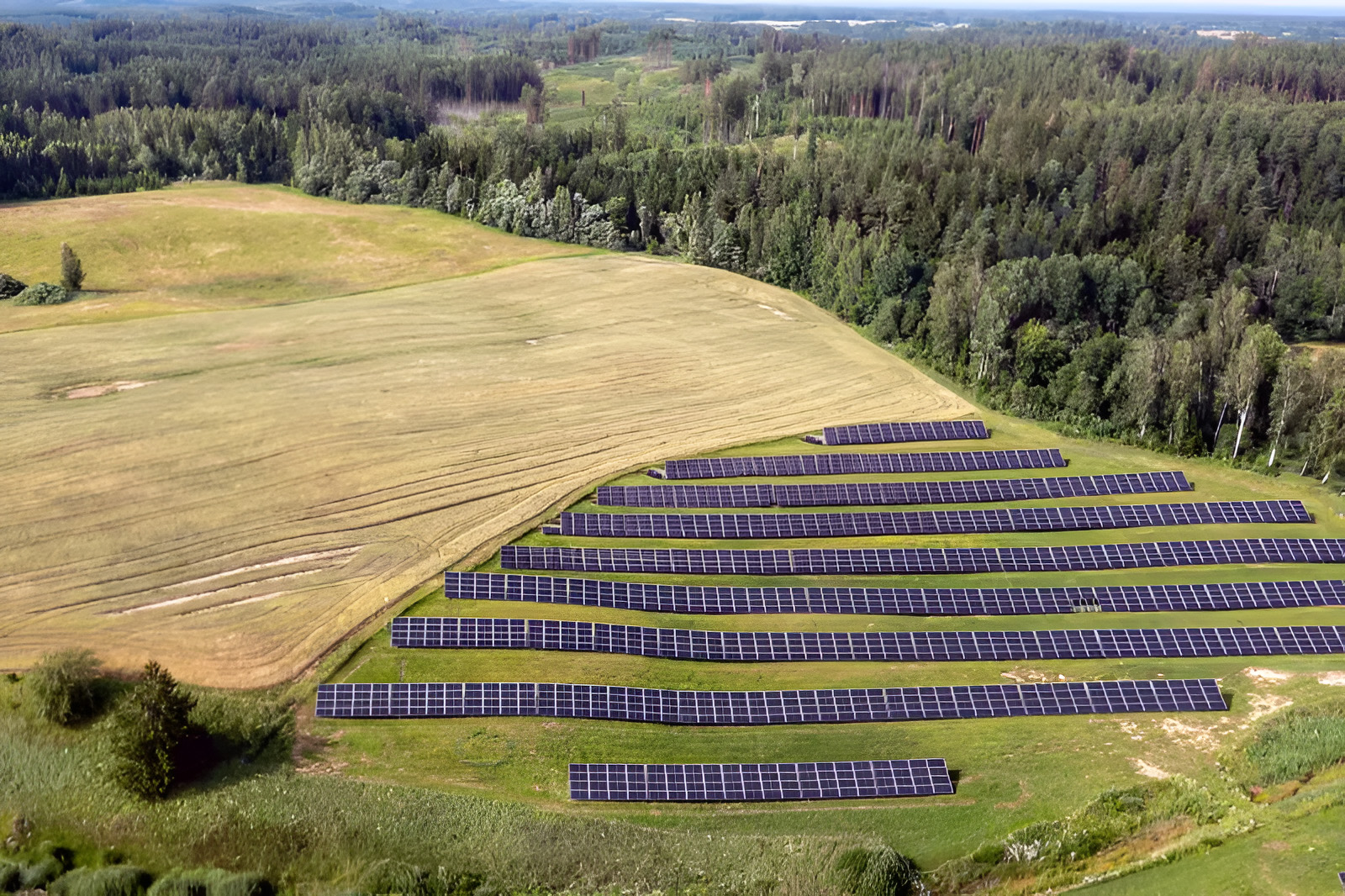 Type of groundcover
When recommending species composition of the ground cover vegetation, ecologists and developers first need to recognize options are limited by the species of vegetation that are compatible with commercial energy production. The vegetation must be short enough not to interfere with the solar panels. Solar panels can be affixed at heights well above the height of most native vegetation, but doing so adds considerable expense to project construction, thus is generally not feasible. There are numerous native species, however, that meet the requirement of reaching a terminal height that is less than the approximately 3-foot level of most utility scale solar panels. The available species that meet the height requirement should be adequate to fulfill the needs of wildlife and be robust to invasion of exotic and woody species.
We also need to identify a composition of plant species that can be maintained with limited options for disturbance. Without regular disturbance, native grasslands tend to lose plant species’ richness and become invaded by undesired woody or exotic species. Typically, the most effective disturbance option is controlled burns. However, controlled burns are not likely an option in utility scale solar fields. Thus, alternative disturbance approaches such as mowing or grazing are likely going to be used as management. In the mixed grass prairies of North and South Dakota, disturbance caused by grazing alone does not appear to be adequate to prevent invasion by Kentucky blue grass into native prairies. In the tall grass prairies further east, the evidence is mixed and the success of using grazing and mowing to prevent exotic species invasion is likely dependent on the original species composition of the vegetation. Thus, in addition to identifying plant species that are of limited height, we need to determine a species composition that can be maintained through some type of combination of grazing and mowing or other non-pyric disturbance.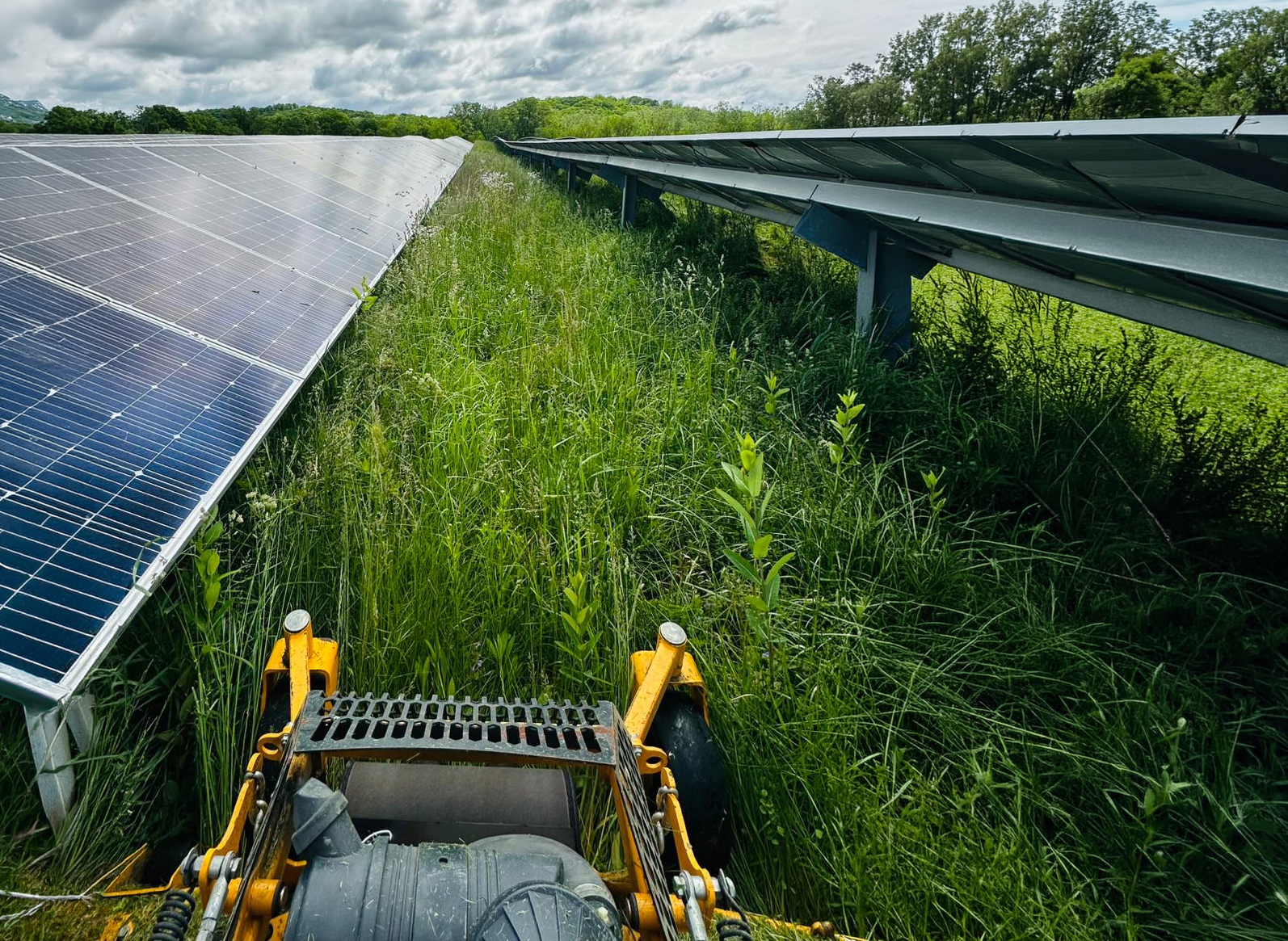 Complicating this process is the unique growing conditions solar fields produce. Panels create varying degrees of light penetration and redistribute precipitation creating wet and dry locations. Thus, not only will we need to identify species that are the appropriate height, we need to identify a composition of species that will thrive under variable levels of shading and precipitation.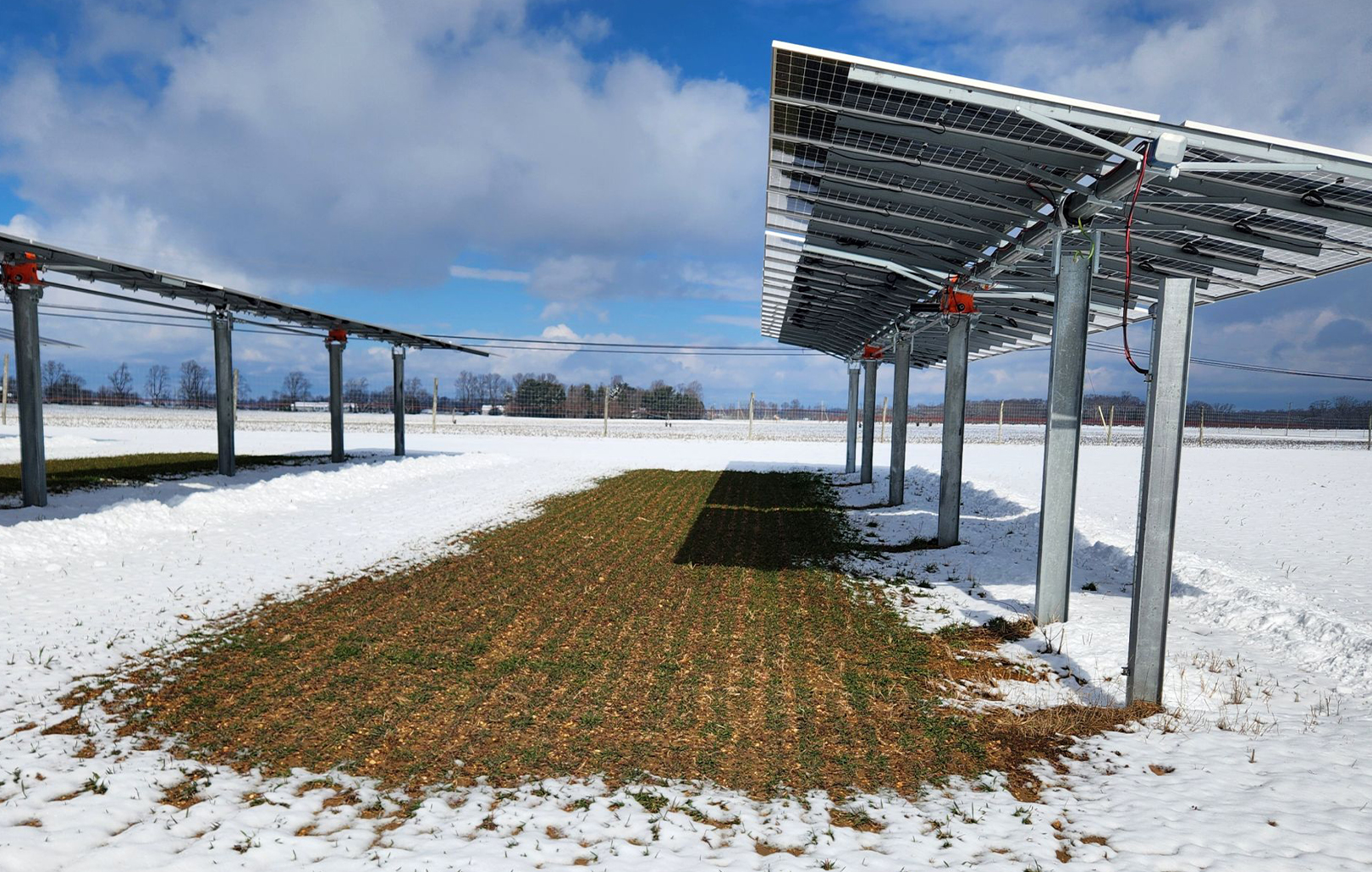
Finally, of the species of vegetation that meet the limitations caused by utility scale energy production, it will be necessary to find the composition of species that meet the needs of the desired grassland dependent wildlife. For example, the evidence is clear that native flowering plants are most beneficial to native pollinators. Similarly, structural characteristics of the plant community determines if wildlife will utilize the landscape and how successful they will be in that use. For example, some grassland dependent birds select and are more successful in vegetation with a high proportion of thick grasses, while others avoid areas of thick grasses and select areas dominated by forbs with more open ground. Thus, vegetation structure that meets the needs of the desired wildlife will be an important consideration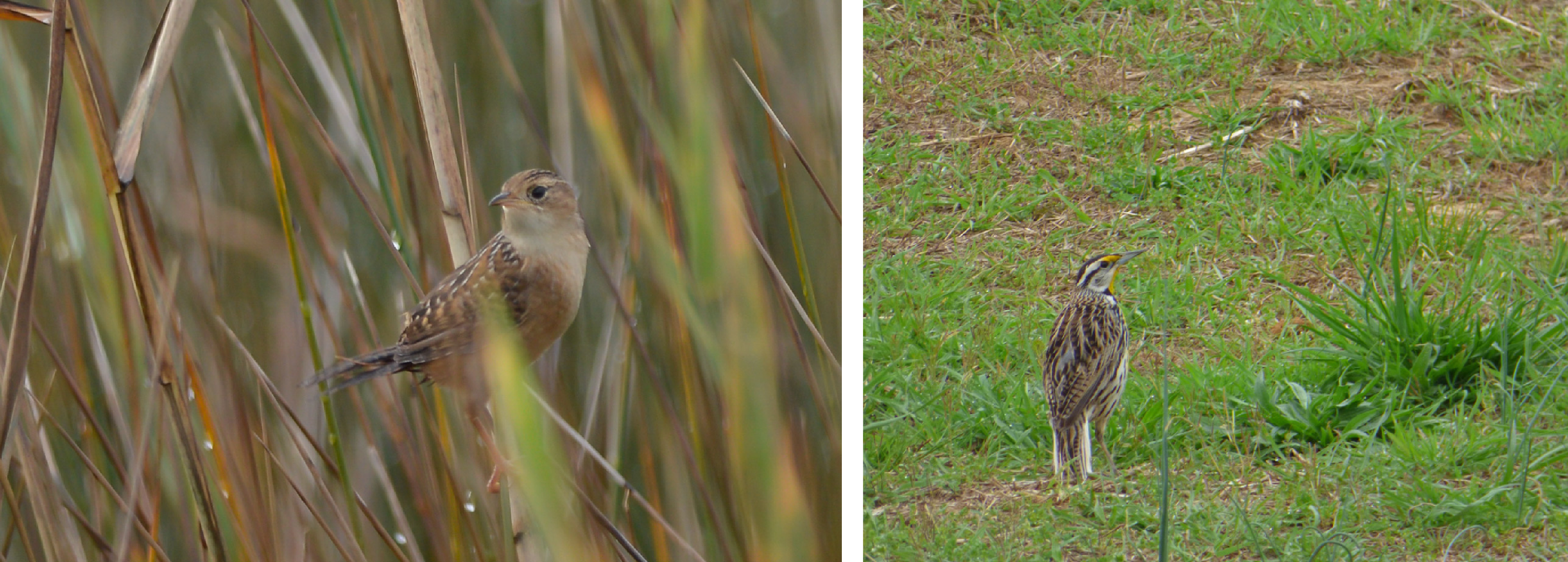
Wildlife response to solar panels
The biggest remaining question is how will grassland dependent wildlife perceive the panels themselves. The easiest way to think about this question may be to consider utility scale solar fields as a grassland in which solar panels have been introduced. The current perception by many wildlife biologists is that solar panels and other infrastructure will be perceived as a decrease in the level of openness by area sensitive grassland obligate birds. This perception is based primarily on intuition and a very limited number of studies that have found higher call frequency of grassland obligate birds such as grasshopper sparrows and horned larks in corn fields compared to solar fields with native vegetation as ground cover. Although the limited preliminary evidence suggests adding PV solar infrastructure to a grassland may be detrimental to some species of birds, results to this point are still inconclusive, and the impact to other wildlife such as small mammals, reptiles, and amphibians is still unstudied.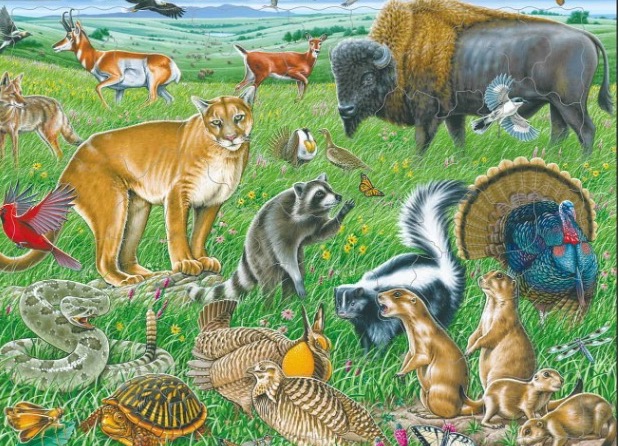
The CWSR is currently initiating research to: (i) better understand which species of native prairie vegetation provide the best wildlife habitat under the unique moisture and light conditions produced by the shading and rain shedding caused by solar panels; and (ii) better our understanding of how various taxonomic groups respond to the novel structure of the solar panels introduced to the grassland. The CWSR aims to work with clean energy developers and other groups interested in the development of ecovoltaics to further address the questions identified above and help develop approaches that can be used to benefit both humans and the wildlife so many of us cherish.