Transmission Infrastructure
Oil and Gas Pipelines and Electrical Transmission Lines
The Princeton University report estimated 4.8 million acres pf landscape are currently covered by electrical transmission lines and predicts this landcover to increase sharply as we move towards more carbon free energy. Additionally, the US Department of Transportation Pipeline and Hazardous Material Safety Administration estimates approximately 2.728 million miles of gas, oil, and other hazardous liquid pipelines cover the US. If we assume a 50-foot right-of-way on these pipelines, they cover approximately 16.5 million acres of the landscape. Many of the estimated 21.3 million acres cover by energy transmission and pipelines are dual use landscapes where the ground cover is either developed or being used as some form of agricultural production. An opportunity remains, however, to use the remaining landscape as natural landcover supporting wildlife. Because energy companies need to access the area for maintenance and repair, and in the case of transmission lines, need to ensure woody vegetation does not damage the transmission lines, this landscape is typically maintained in early successional cover, primarily herbaceous vegetation.
Fortunately for wildlife, this is the type of landcover that has experienced the greatest decline, thus, would potentially provide the greatest wildlife benefits. Several questions remain, however, as to what species of vegetation will be the most sustainable and how beneficial these potentially narrow strips (50 ft) of herbaceous cover will be for wildlife.
Species composition of the vegetation
Considerable evidence supports the proposition that native vegetation provides more suitable resources for native wildlife than exotic vegetation. Maintaining narrow strips of herbaceous native vegetation, however, is often difficult due to invasion by exotic herbaceous and exotic and native woody vegetation, and a lack of disturbance. Without regular disturbance, native grasslands tend to lose plant species’ richness and become invaded by undesired woody or exotic species. Typically, the most effective disturbance option is controlled burns.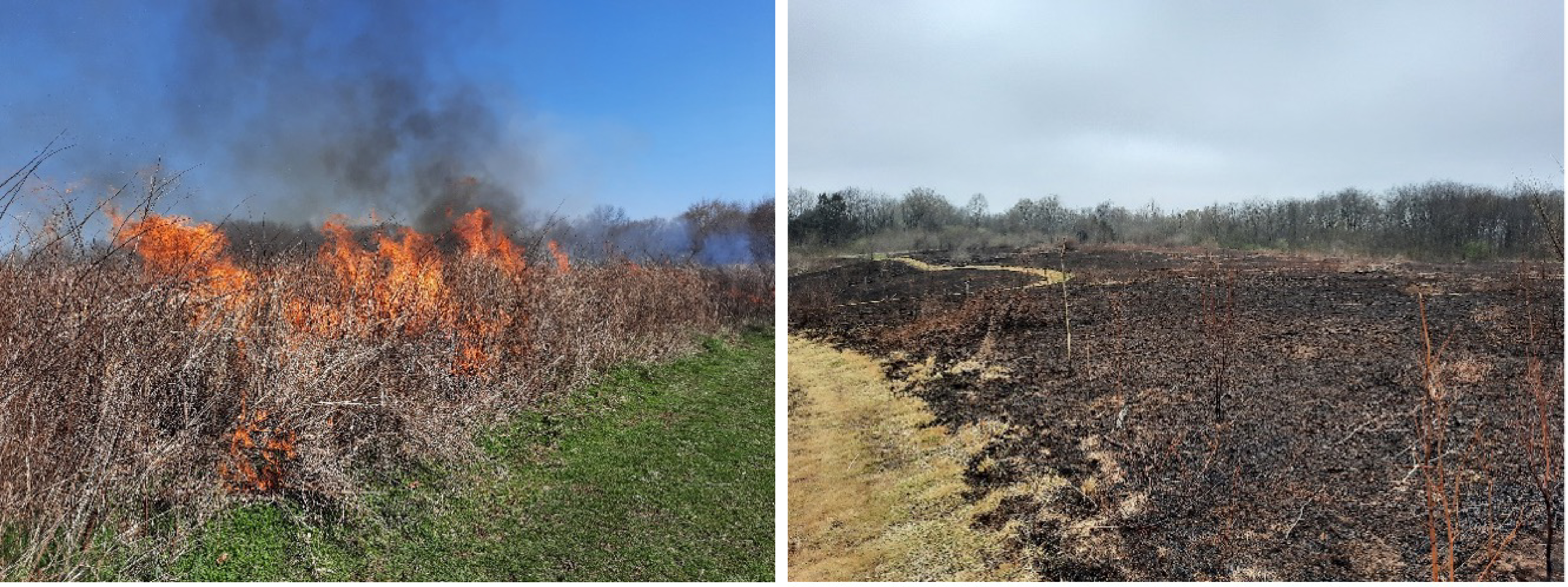
However, controlled burns are not likely an option under transmission lines or over hazardous liquid pipelines. Thus, alternative disturbance approaches such as mowing or grazing are likely going to be used as management tools.
In the mixed grass prairies of North and South Dakota, disturbance caused by grazing alone does not appear to be adequate to prevent invasion by Kentucky blue grass into native prairies. In the tall grass prairies further east, the evidence is mixed and the success of using grazing and mowing to prevent exotic species invasion is likely dependent on the original species composition of the vegetation and the type of the surrounding landcover. Thus, there is a need to identify a plant species composition that provides needed wildlife resources while being maintained through some type of combination of grazing, mowing, or other non-pyric disturbance.
Benefits of narrow strips of native herbaceous vegetation to wildlife.
Even if a species composition of native vegetation that is sustainable through mowing, grazing, or some other non-pyric disturbance is identified, an additional concern is, will narrow strips of this ground cover actually be beneficial to wildlife. There are numerous taxonomic groups of wildlife that may benefit from the production of narrow strips of native herbaceous vegetation including snakes and amphibians, mammals, birds and arthropods.
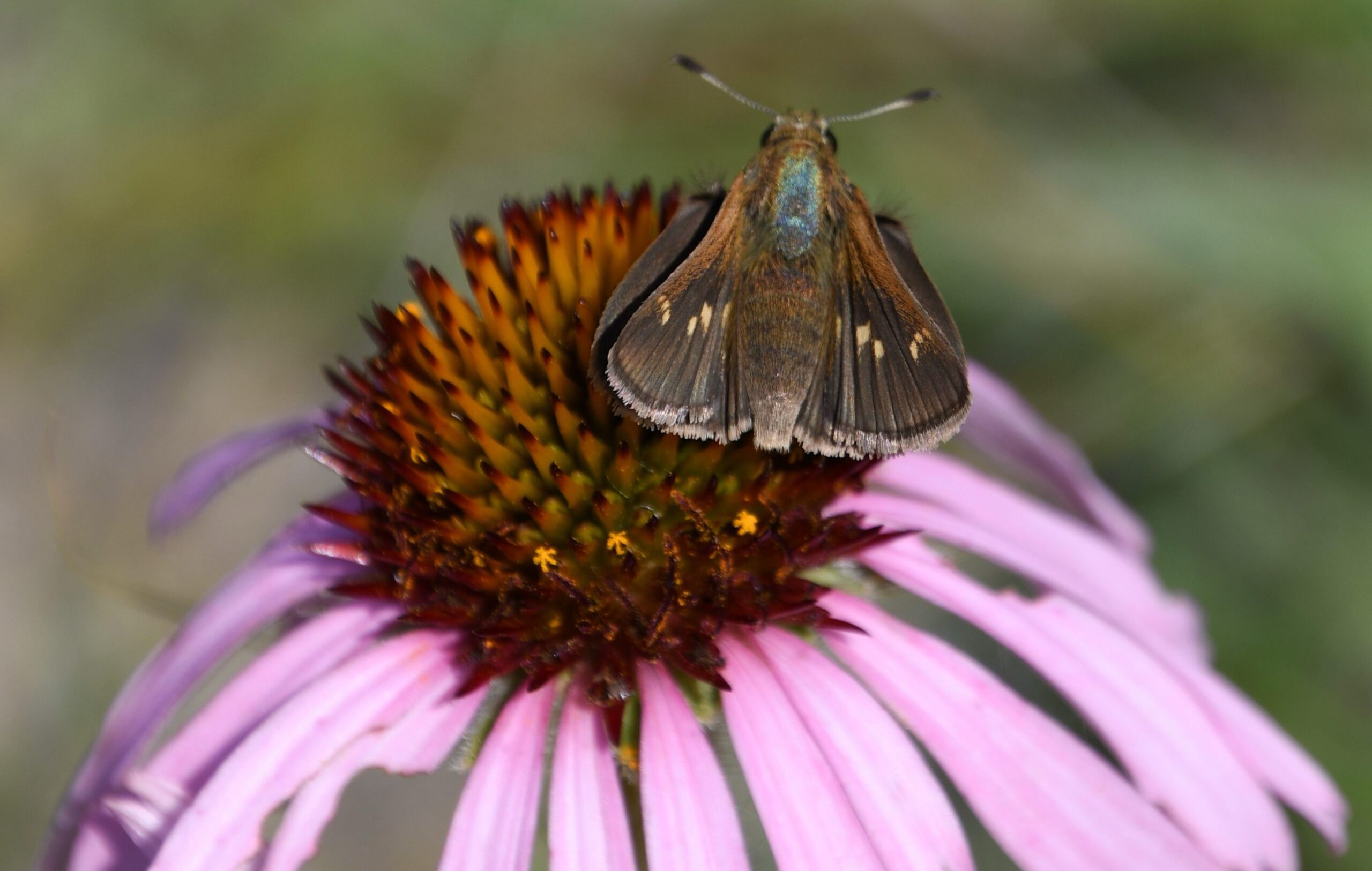
Even small patches or narrow strips of native herbaceous vegetation have been demonstrated to benefit arthropods, especially pollinators such as bees, butterflies, and moths.
 The benefits of small patches or narrow strips of native herbaceous vegetation to other forms of wildlife, however, is mixed or untested. In fact, some wildlife biologists are concerned these small patches and narrow strips may actually be detrimental for some taxonomic groups such as birds.
These patches may provide cover that appears secure for nesting to birds.
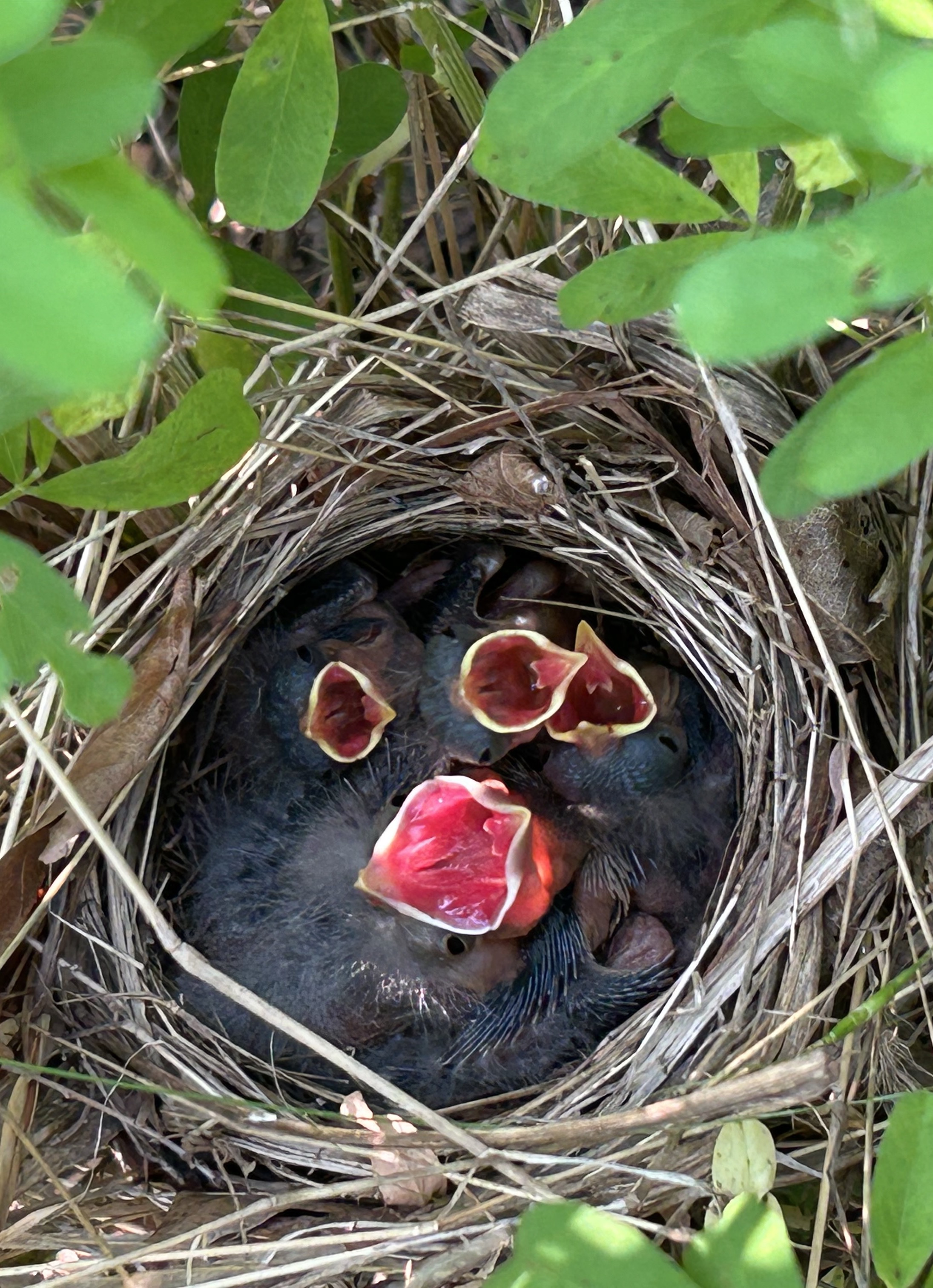
But because many nest predators tend to be attracted to edge habitat, these narrow strips may serve as sinks or ecological traps, reducing populations instead of benefiting them. Thus, a better understanding of how these strips impact the wildlife that might be attracted to them is needed before the practice is promoted at a large scale.
Faculty associated with the CWSR are interested in working with energy producers to increase our understanding of how native herbaceous cover under transmission lines and over gas and hazardous liquid pipelines can be sustained and how it might or might not be beneficial to various taxonomic groups of wildlife.